
Basement insulation in Tifton GA - moisture handled before anything gets covered
Cold floors over the basement or a damp, musty smell downstairs? We check for water first, then insulate the walls or the floor above.
- Licensed and fully insured.
- Free on-site estimates.
- Expect a reply within 1 business day.
What goes into insulating a basement in Tifton?
Basement insulation in Tifton, GA goes on the inside of the foundation walls or up in the first floor above the basement, and it keeps the cold and damp down there from reaching the rooms you live in.
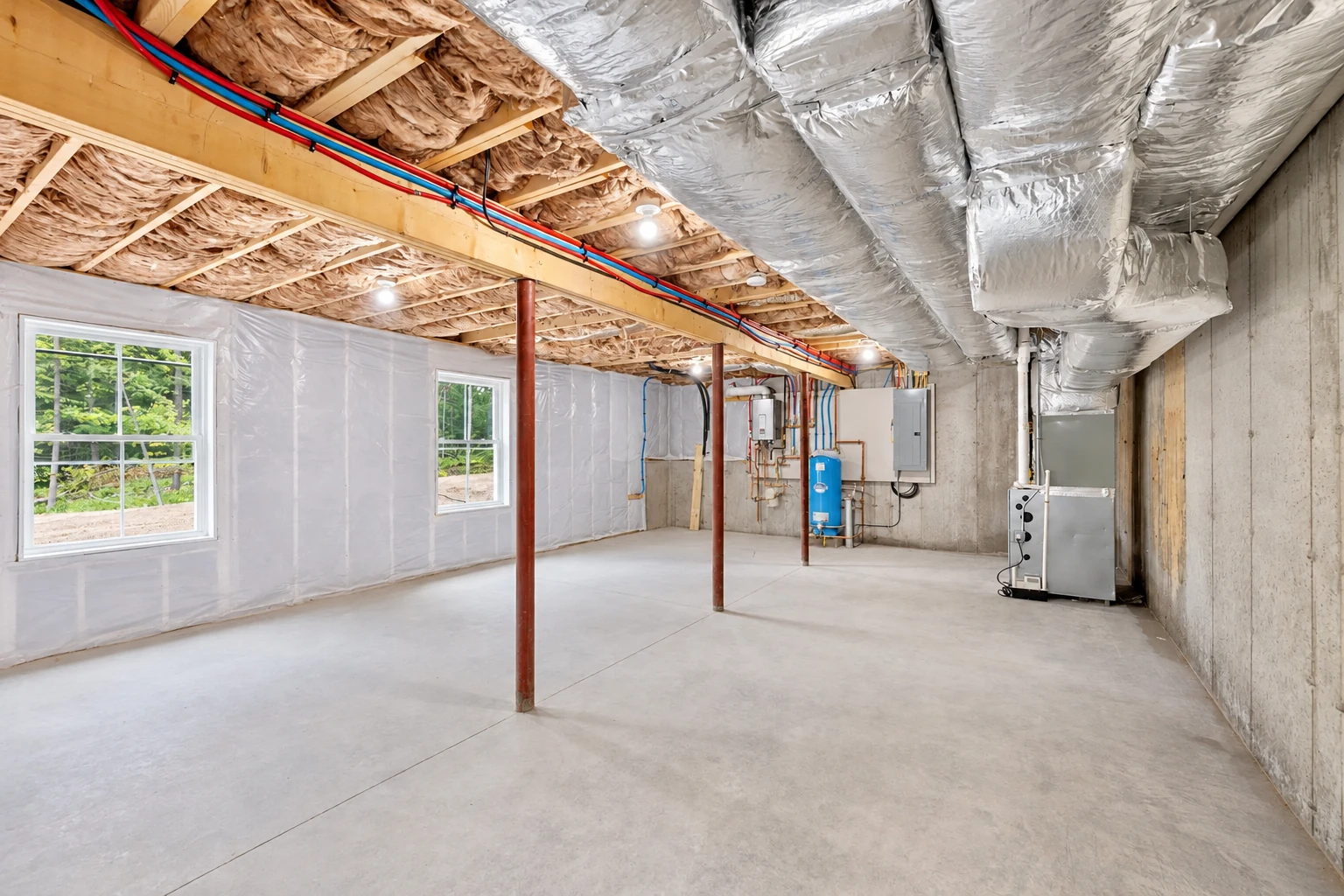
Most folks call me about cold floors over the basement, a musty smell or a power bill that won't come down, and the first thing I want to know is whether that basement stays dry, because a damp wall changes the whole plan. The price mostly turns on how many square feet we're covering, whether we insulate the walls or the floor above, which material goes on, and whether the rim joists, the wood band that sits on top of the foundation, are part of it. The schedule turns on whether anything has to be fixed first and whether a permit is needed, and the written estimate I leave you lists each area and material so you can see all of that before you decide.
How we handle basement insulation
I start by looking hard at the basement walls, the slab and the framing overhead for water stains, damp spots and that musty smell, because once insulation goes up, nobody sees that wall again. If the basement doesn't stay dry, we have that conversation before any insulation goes on the walls, since the water has to be dealt with first. Then I lay out the two places insulation can go, the foundation walls or the floor above, with what each one costs and what it gets you, so your budget and the way you use the space make the call. Once you've picked, our crew does the work, and any foam we spray gets its covering before we're done.
On the walls, the choice usually comes down to closed-cell foam insulation, a dense foam that blocks moisture as well as air, or open-cell foam insulation, a lighter foam that makes an excellent air barrier but has to go on thicker to hold back moisture vapor. Either one has to be covered with ignition-barrier paint or drywall, a layer that keeps flame off the foam, so plan on that finish as part of the job.
Foam on the foundation walls
This suits a basement that stays dry and that you use now or plan to finish, because it brings the whole basement inside the warm part of the house. It only makes sense once the water is handled.
Insulation in the floor above
This suits a basement that gets damp now and then or only holds storage, since it keeps the cold and damp below your living space without putting anything against the foundation. The basement itself stays about as cool as it is now.
Permits and basement insulation in Tifton
Whether basement insulation in Tifton needs a permit isn't spelled out, because the City of Tifton's Building and Permitting office lists permits for new construction, renovations and additions and doesn't name insulation on its own. That office is the one to ask, and it takes applications and plans by email at permits@tiftonga.gov and books inspections on a separate phone line. The city issues permits under current city and state codes, and Georgia's energy code is one of those state codes. Each city and county has its own office, so we check with the one where your home is and take care of the paperwork when the job calls for a permit.
A lot of the basements I look at around here hold the furnace or water heater and have spent years as storage with nobody looking hard at the walls, so I move a few boxes and look behind them before I talk about materials. We see the same thing on jobs in Moultrie and Fitzgerald and across the other cities around Tifton, so if yours isn't named on the site, give us a call and ask.
Why Tifton homeowners call us to insulate a basement
We look before anything's covered
I learned this trade under a boss who made me tear out and redo anything that wasn't right, and he taught me nobody sees what's under insulation once it's in. So I look hard at your walls and floor first, and I won't cover up a wet wall just to finish a job.
The owner writes your estimate
I'm the one who comes out to look at the job and write the estimate, and our crew does the work with me running the job myself. The person who saw your basement is the same one watching how it gets insulated.
In business since 2017
We've been at this since 2017, nine years now, for homeowners, landlords and a few small business owners. That's a lot of basements, crawl spaces and attics opened up, and it's why I can tell you what to expect before we start.
Licensed and fully insured, check anyone
We're licensed and fully insured. Georgia's State Licensing Board for Residential and Commercial General Contractors handles licensing for general and residential contractors, so that's where you can check anyone you're thinking of hiring.
On a basement, what matters most is knowing whether it stays dry before anything goes on the walls, so start there and send us a request or call (229) 479-8005.
Request a quoteGet a written estimate for your basement insulation
Send the form and we'll get back to you within one business day. I'll come out, look over the basement and the floor above it, and leave you a free written estimate with each area and material listed. There's no obligation to go ahead.
What happens after you call about your basement
Call or send a request
Call (229) 479-8005 or use the form, and we'll set a time for me to come see the basement. We pick up evenings and weekends too, so you don't have to call on your lunch break.
I look over the house
I check the basement walls, the floor above, the attic and any crawl space, and ask about gas appliances and any termite contract. You get a written estimate with each area and material listed, so you see what every part costs before you decide.
We fix, seal, then insulate
If you go ahead, we list anything that has to be fixed first and handle permit paperwork where it's needed. Then our crew seals the gaps before insulating, because insulation over an open gap just has air moving through it.
Walk the finished basement
When we're done, I walk the job with you. You see what went where and how the foam was covered before you sign off.
Frequently asked questions
Should I insulate the basement walls or under the floor above?
Insulating the walls generally works better, but it usually costs more, so plenty of owners insulate the floor above to keep the price down. If your basement stays dry and you use the space, I'd lean toward the walls. If it gets damp or only holds storage, the floor is often the sensible call.
How do I know if my basement is too damp to insulate the walls?
If you see water stains, damp spots or smell mustiness down there, the water has to be handled before any insulation goes on the walls, because insulation over a wet wall hides the problem and can trap water where it does more damage. Where a basement can't be kept dry, insulating the floor above may be the option that makes the most sense. I'll tell you which way I'd go once I've seen it.
How much does basement insulation cost in Tifton GA?
Across the US, insulating a basement usually costs about $4.40 to $6.40 per square foot, and that's a national average, not a price for your house. Your number depends on the square footage, walls or floor, and the material, and the written estimate I leave you lists each area and material. The work is backed by our satisfaction guarantee.
What is the best way to insulate basement walls?
Closed-cell spray foam gives the best moisture control of any insulation that goes on the inside of a foundation wall, and one federal guide says fiberglass batts and cellulose shouldn't touch foundation walls at all. When you compare quotes, ask each contractor which material goes right against the wall.
Is it safe to insulate a basement with a gas furnace or water heater down there?
It can be, as long as any furnace, water heater or boiler that burns gas or oil gets checked for safe operation before and after the basement is sealed and insulated. If the equipment isn't sealed-combustion, the kind that draws its air from its own pipe to the outside, a qualified contractor should check that it still burns safely. That's why I ask about your appliances on the first visit.
Can you insulate a basement from the outside of the foundation?
Usually only on a new house, or when the ground is already being dug up for foundation repair or water work, because digging out a foundation just to insulate it rarely makes sense. Outside insulation also has to be kept dry while it goes in, and one federal guide says not to use it where termites are a problem.
Foam work that often goes with a basement
Closed-cell foam insulation
Read this if you want a dense foam on the foundation walls that stops air and moisture together, and you'd like to know how it goes on and gets covered.
Open-cell foam insulation
Open-cell foam is softer and lighter, and it suits spots like the floor above a basement where you want a tight air seal without paying for the densest foam.
Tifton, GA
Book a look at your basement
Have the basement's rough square footage, any history of dampness and the kind of furnace or water heater you have handy when you call, and we can plan the visit around it.